Stage Looks in Miniature: Turning Iconic Costumes into Collectible Art
There’s a moment right before you hit the stage. Spotlights coming up, music building. When everything feels sharp. You know your moves. You know your mark. But the outfit? That’s the first thing people see. Before the choreography. Before the smile. Before anything.
Costumes aren’t just decoration. They tell people who you are before you speak. They set the tone. They give the audience a story to believe in.
That’s what makes performance wear so powerful. And, surprisingly, that’s also what makes it work in miniature.
Lately, I’ve been thinking about how these iconic stage looks—whether it’s a glammed-out dancer in rhinestones or a biker-inspired leather two-piece—might translate into something totally different: collectible minifigs. Yeah, the little guys.
It sounds silly, but hear me out.
Costumes Are Storytelling
A costume is never just clothes. You’re building a character, even if you’re being yourself. You’re showing a mood. Maybe you’re going full sparkle and lashes. Maybe you’re stripped down with boots and fishnets and a stare that says don’t mess with me.
Either way, the look is doing half the talking.
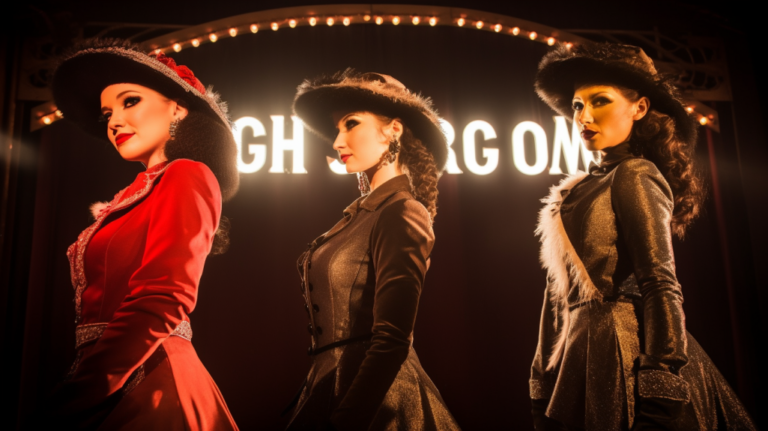
In performance groups like Purrfect Angelz, the visual has always mattered just as much as the motion. A fringe jacket, a military-inspired crop top, a cowboy hat—each one changes the story. Sometimes the outfit is the story.
And that’s why translating these looks into tiny figures actually makes a strange kind of sense.
Tiny People, Big Attitude
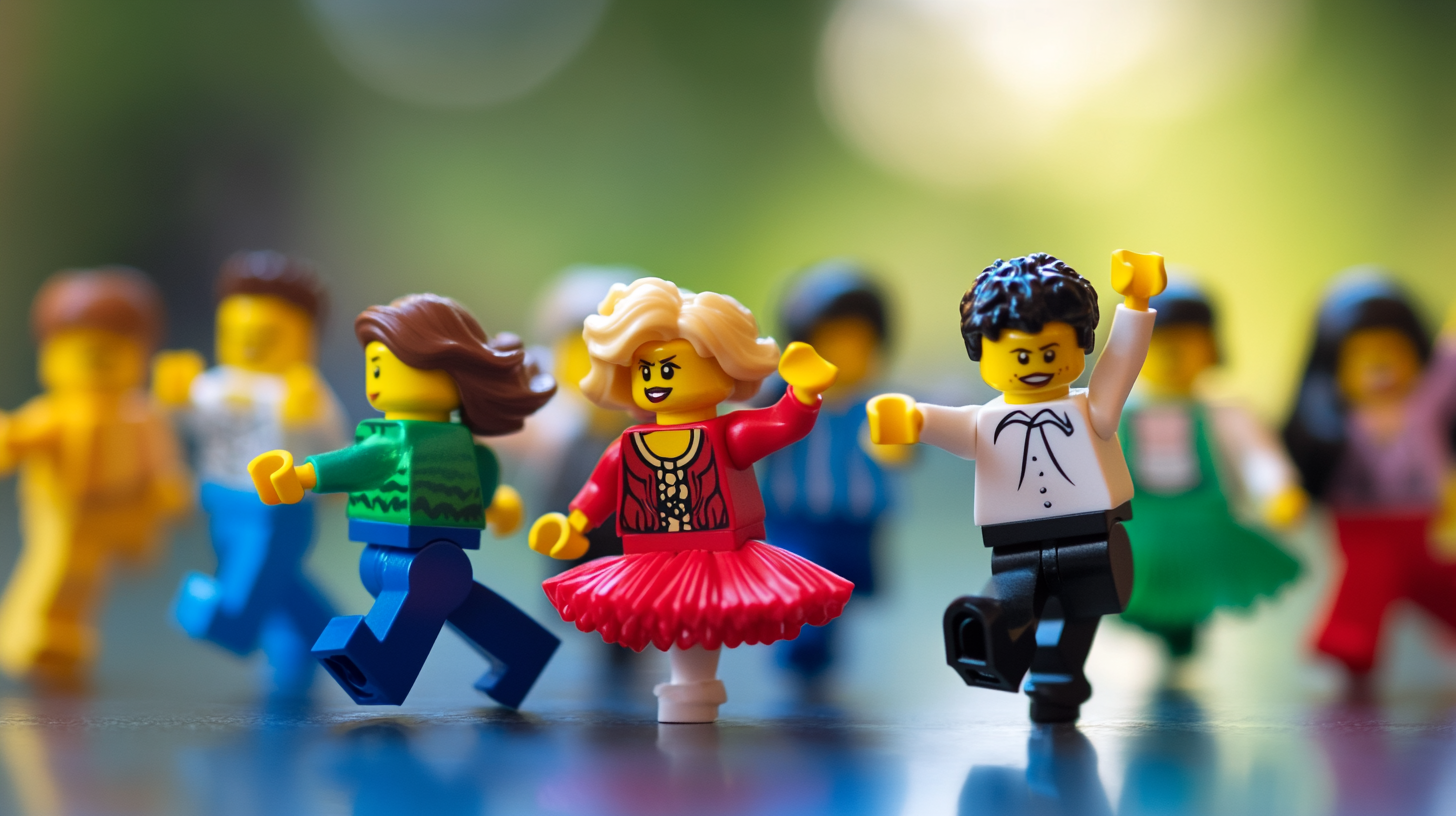
Minifigs are small, sure. But when done right, they can carry a lot of personality. It comes down to expression, pose, and styling. Sound familiar?
A minifig with a raised eyebrow, a snapback, and a wireless mic tucked under one arm? That’s not just plastic. That’s someone who owns the stage.
What’s wild is how easily you can recognize archetypes in minifigs, even though they’re so simple. Add fishnets and a glitter jacket? Now it’s a headliner. Swap the mic for a whip and sunglasses? You’ve got a whole different vibe.
This kind of design isn’t random. It mirrors how costume design works in real life—clear silhouette, strong color, key details.
Whether you’re on stage or in a display case, the principles are the same.
Translating Real Looks into Minifigs
So how would actual stage outfits look in minifig form?
Let’s take a few examples.
A military glam outfit—black hat, high boots, rhinestone trim—turns into a confident figure with epaulettes, bold eyes, and maybe a custom belt accessory.
A western-themed set—cowgirl boots, cutoff shorts, fringe—becomes a minifig with braided hair, a glitter lasso, and a fierce stance.
Or imagine a festival-style look. Neon mesh, reflective details, goggles, fur leg warmers. The minifig version would need bold colors, layered textures, and probably a translucent visor piece. Maybe it looks chaotic. That’s fine. It’s supposed to.
The fun is in exaggerating the elements that define the look. Shrinking them down doesn’t make them weaker. It just makes the storytelling more efficient.
Why This Even Matters
You might ask, who cares? Why turn performance looks into toys?
Because it’s about recognition.
When someone sees a minifig that reminds them of your stage look, that’s a sign the costume worked. It stuck. It communicated something real. It became a symbol.
Also, let’s be honest—these are fun to imagine. But more than that, they’re a way to archive identity. A way to remember a show. A vibe. A persona. You don’t need a 30-minute video to explain it. You just need a two-inch character in knee-high boots and glitter brows.
You can’t always keep the costume, but you can keep the figure.
Where You Can See This In Action
There’s a site called Minifig.biz that plays around with this exact idea. They don’t sell branded performers or anything like that. But they do offer custom minifigs that lean into themes—punk, glam, military, pin-up, sci-fi, even dance crew vibes.
Some are funny. Some are over the top. Some are weirdly perfect. You can tell someone’s paying attention to costume tropes, not just printing random heads and torsos.
You might see one and think, “That’s literally the look I wore in Vegas last season.” Or, “Wait, that one’s definitely based on someone who DJs in body armor.”
And that’s the point. These figures are commentary. They’re also tiny tributes to style, attitude, and performance energy.
From Collectible to Personal
There’s also something sweet about how collectible figures can make performance memories tangible. For dancers, artists, or anyone who spends years building looks that might only live in photos, having a physical version of that moment—simplified, cartoonish, but real—is kind of powerful.
It’s like a trophy, but with better eyelashes.
Some performers even use custom figures as merch. Others as gifts to crew members after a big tour or show. You can create a whole line of “mini you” characters, each in a different outfit from key performances.
You’d be surprised how many people would rather keep that on their shelf than a t-shirt.
Style That Holds Up, Even in Plastic
The cool thing is, iconic looks don’t need much space to work. The most memorable ones can be boiled down to a few key elements. That’s what makes them iconic in the first place.
Think of Michael’s red leather jacket. Madonna’s cone bra. Prince’s ruffled shirt. They’re more than fashion. They’re statements. They hold up as Halloween costumes, museum exhibits, and yes—minifigs.
That same logic applies to the stage looks we build now. The cowboy boots and diamonds. The fishnets and fringe. The glitter mohawks and sharp suits.
You don’t need to explain them. You just need to see them once.
If a two-inch figure can pull that off, it means the costume did its job.
Final Thought
Not everything has to be deep. But there’s something satisfying about seeing the craft of performance reflected in a toy. It reminds you that visual storytelling works, even when it’s playful.
Costumes tell stories. So do characters. Shrinking them down doesn’t make them less powerful—it just proves how effective the storytelling really is.
If you’ve ever put on a look that made you feel like someone else—bigger, bolder, sharper—you already know the power of character design. Whether it’s on stage or on a shelf, it’s all about presence.
And sometimes, the smallest figures carry the loudest energy.